PHOMI technology
Econiclay® technology
Turning mineral waste into architectural innovation: Econiclay® is a mineral-based composite material technology used to produce lightweight, flexible and durable architectural solutions from soil, stone-cutting offcuts and metal-free mining residues; the material it produces is called modified clay (MCM).
Sustainability
Shaping a more responsible future for architecture
Production process
From soil to flexible stone in four steps
 01
01Collecting waste minerals
Econiclay reuses abundant inorganic minerals: soil, stone-cutting offcuts, waste brick and ceramic, and sand.
 02
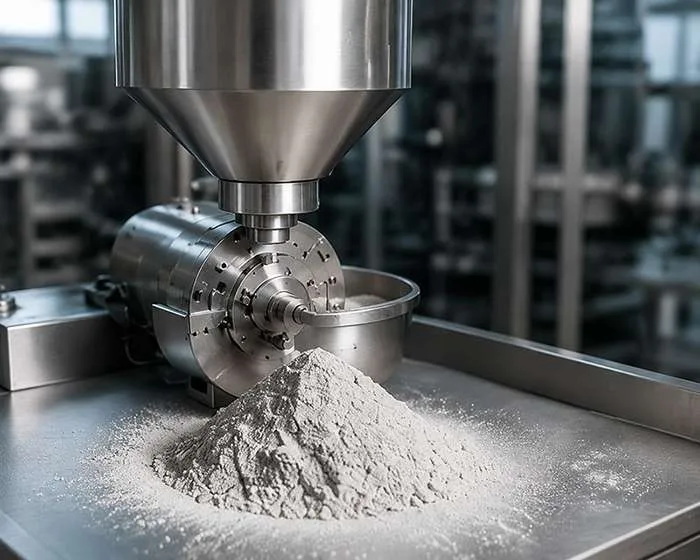
02Micro powder processing
Raw minerals are separated, crushed and turned into micro powders.
 03
03Econiclay activation technology
The powders are activated at low temperature, forming a multi-layered network of active inorganic particles.
 04
04Shaping the surface products
The material is shaped at 90 °C using clean energy from a cogeneration (CHP) plant.
Material structure
Econiclay® layer by layer
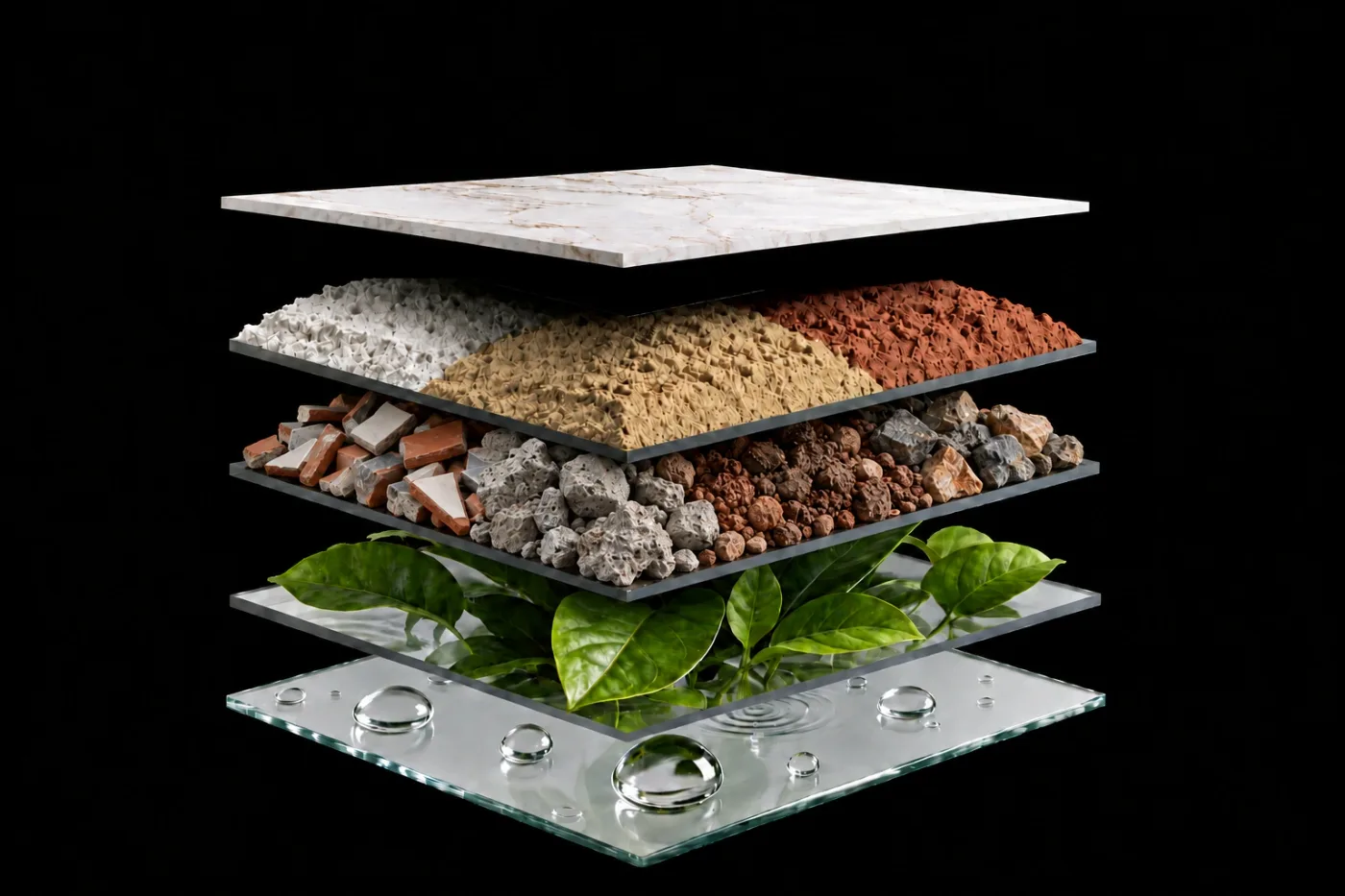
- 01Surface texture
The surface fidelity of natural stone, wood and concrete, with natural variation in every panel.
- 02Mineral body
Modified clay (MCM) made from soil, stone-cutting offcuts and mining residues.
- 03Active particle network
A multi-layered inorganic structure activated at low temperature, providing flexibility and strength.
- 04Thin and flexible
Approximately 3 mm thick; bends without breaking, non-combustible, breathable.
Sustainability system
A responsible material from production to use
 01
01Innovation from waste to value
Turns low-carbon inorganic solid waste into a high-performance, sustainable material. Because soil, stone waste and mining residues are used as raw materials, dependence on conventional raw materials and environmental impact are reduced.
 02
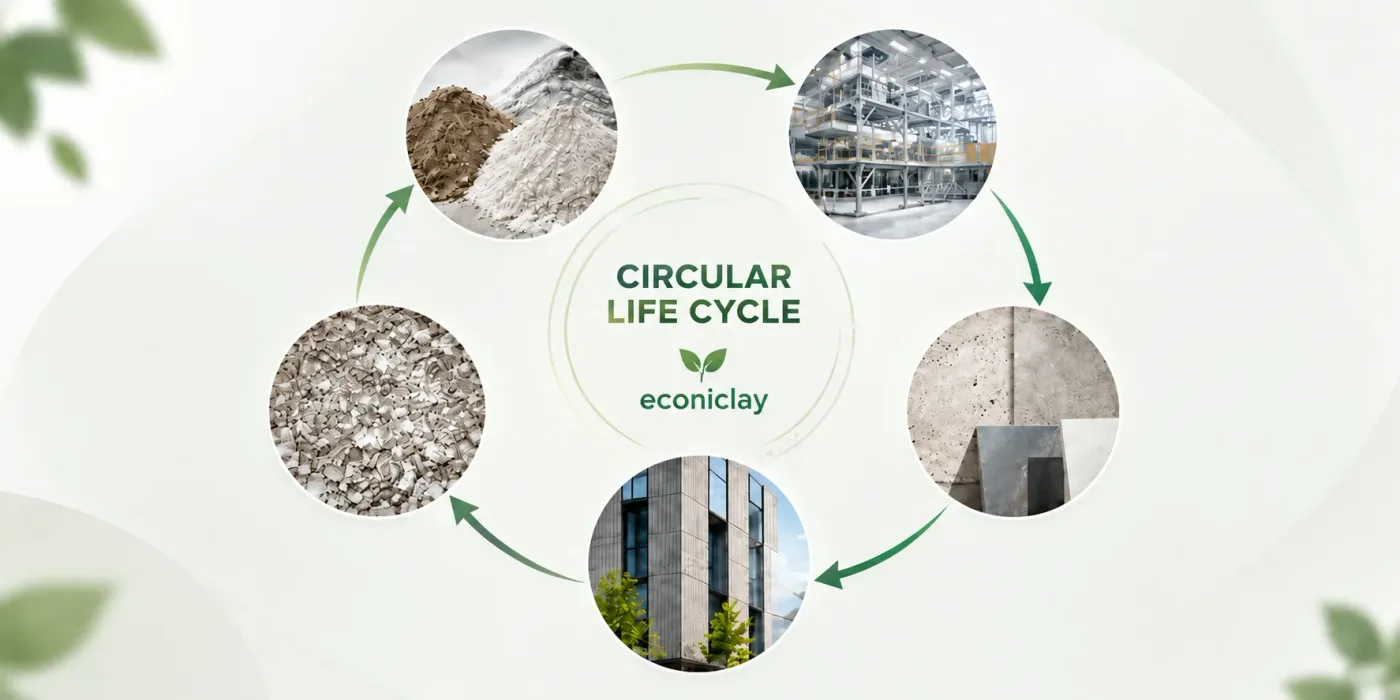
02Recyclability
Unlike conventional building materials that often become waste after demolition, Econiclay is developed with a circular approach across its entire life cycle. At the end of its service life it can be recovered and returned to production.
 03
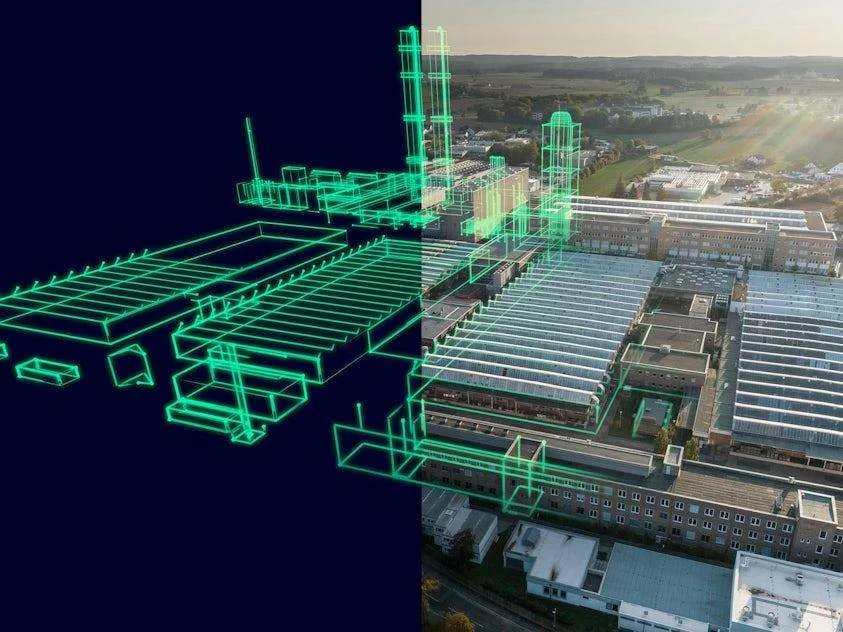
03Low carbon, clean production
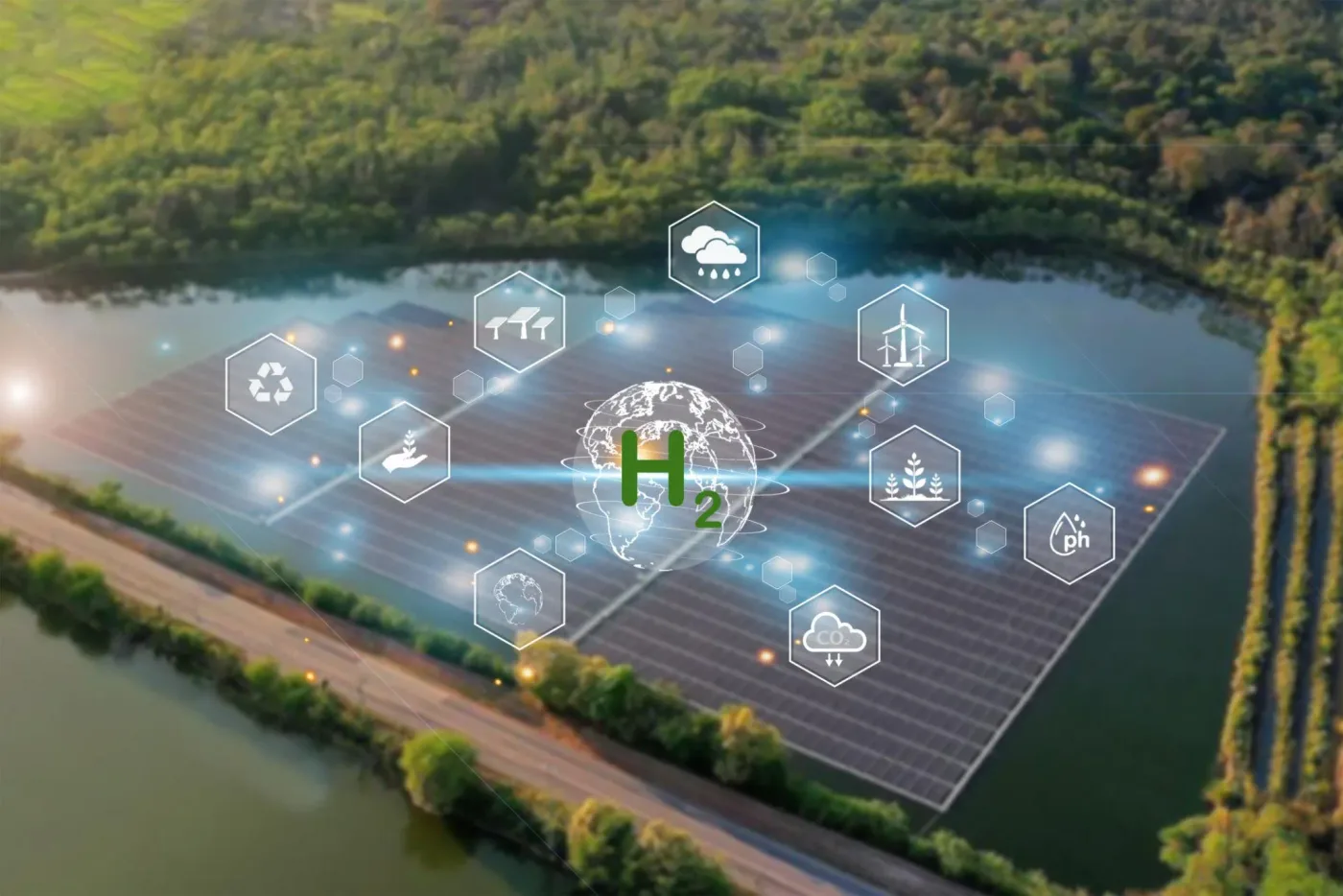
Renewable energy and low-temperature production significantly reduce carbon emissions. As a low-emission, mineral-based material, it contributes to healthy interiors and clean exteriors.
 04
04Water and soil protection
A vapor condensation and water recycling system allows water to be reused in production and minimizes wastewater. Its inorganic structure contains no harmful organic matter and releases no pollutants into the environment after use.
Cradle to Cradle
Econiclay holds Cradle to Cradle accreditation
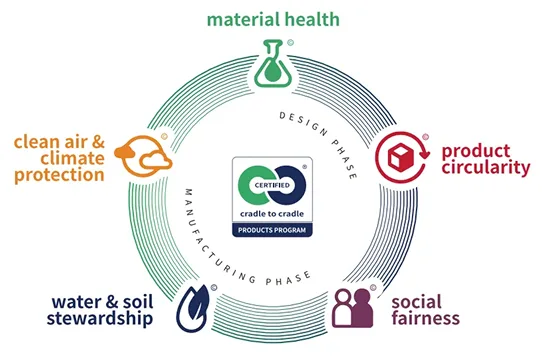
01Material health
Made from natural, non-toxic materials such as soil, stone waste and metal-free mining residues. Micro powders are treated with special surfactants; the final product contains no harmful components or emissions.
02Product recyclability
Designed for circular use; throughout the product life cycle, the surfaces support material recovery and less waste.
03Clean air and climate protection
Low-temperature shaping and responsible raw material sourcing reduce the carbon impact and support clean interior and exterior spaces.
04Water and soil protection
Reclaimed water and low-waste production reduce the pressure on local water and soil systems.
05Social responsibility
PHOMI approaches material innovation together with safer production, durable applications and long-term environmental responsibility.
Applications
Where does Econiclay make a difference?

Building materials
Façade and interior surfaces

Automotive interiors
Lightweight, flexible interior trim

Furniture
Tables, countertops and surface finishes
Electronic enclosures
Durable, slim housings
Blending Econiclay materials with different polymers yields different eco-materials that adapt to any application. Materials derived from Econiclay offer superior flexibility, reduced thermoplasticity, Class A fire resistance and cradle-to-cradle life cycle sustainability, making them a seamless, environmentally friendly alternative to plastic.
A low-carbon future
We are redefining materials
Architecture is changing, and materials must change with it. Econiclay is designed to reduce environmental impact from the source to the installation, replacing resource-intensive conventional surfaces with smarter, more responsible alternatives. You can explore eCovering flexible stone cladding, made with this technology, on our applications page.
Dealership
Would you like to become a PHOMI dealer?
Bring flexible stone cladding to your customers in your city.
Quote
Get a quote for Econiclay® products
Fill in the form for texture samples, quantity estimates and pricing, and we will get back to you as soon as possible.
Uskudar / Istanbul - Turkiye Message us on WhatsApp